 Military
Seawolf-class
Submarineconfirmed

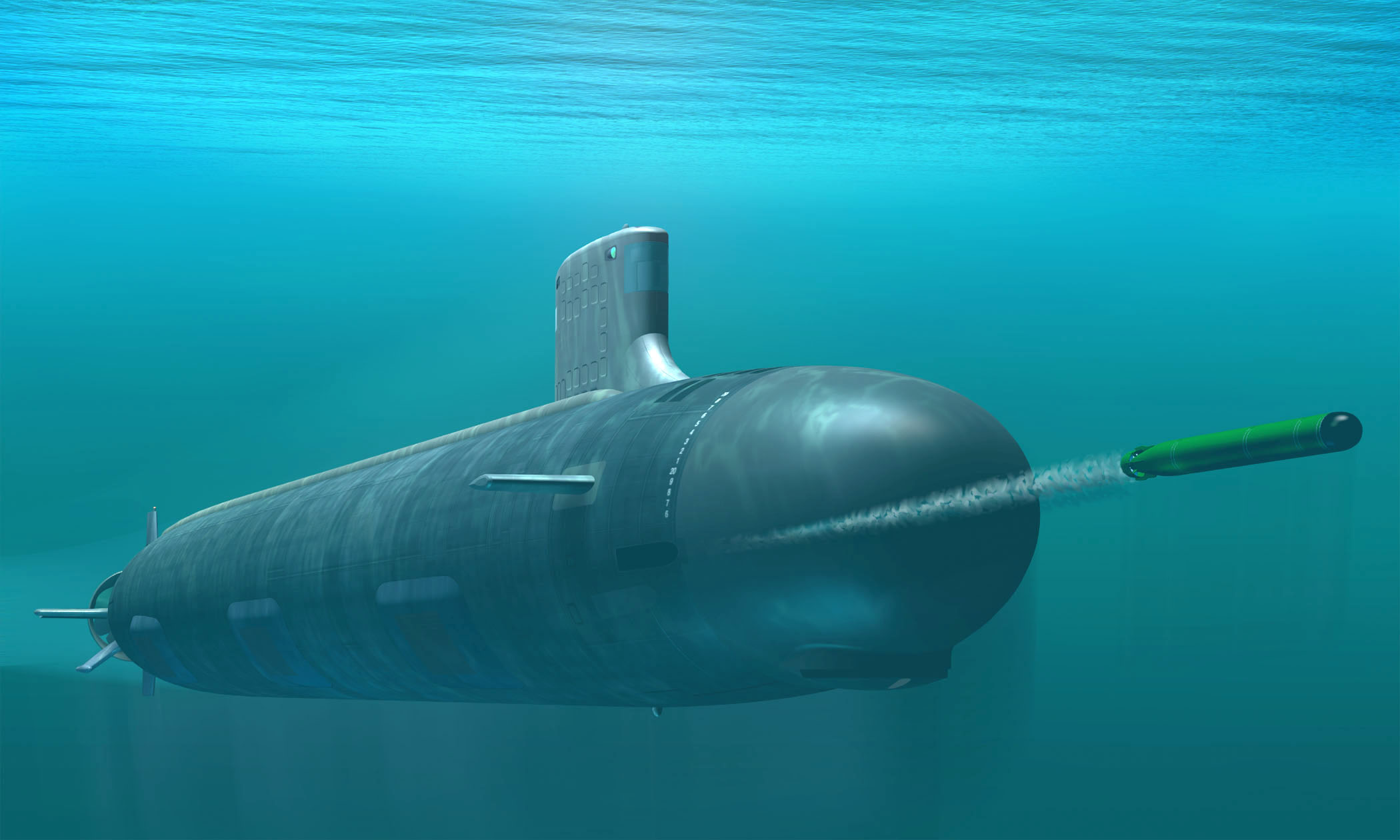
The Seawolf-class is a class of nuclear-powered fast attack submarines designed for the United States Navy. They are larger, faster, and more heavily armed than their Los Angeles-class predecessors, intended to counter advanced Soviet submarines.
Specifications
| Type | Submarine |
| Origin | United States |
| Manufacturer | General Dynamics Electric Boat |
| Introduced | 1997 |
| Status | In service |
| Speed | 65 km/h |
| Crew | 134 |
| Weight | 9,137 t |
History
Conceived in the late 1980s to counter increasingly quiet Soviet hulls like the Akula class, the Seawolf program was originally intended to produce 29 vessels but was drastically scaled back due to the end of the Cold War and exorbitant unit costs. The lead ship, USS Seawolf (SSN-21), officially entered service in July 1997, followed by USS Connecticut and the uniquely modified USS Jimmy Carter. While their specific deployments remain highly classified, the USS Jimmy Carter features a distinct hull extension designed for clandestine intelligence gathering and special warfare operations. Today, all three submarines remain in active service with the U.S. Navy's Pacific Fleet, representing a pinnacle of Cold War engineering that paved the way for the subsequent Virginia-class.
Operators
| Country | Quantity | Confidence |
|---|---|---|
| United States | 2 | confirmed |
Text adapted from Wikipedia, available under CC BY-SA 4.0. Photo from Wikimedia Commons; see the Wikipedia article for author and license.